Case Study: Transforming a Vehicle's Performance with Stage 3 Remapping
JG
In the world of automotive performance, enthusiasts are always looking for ways to enhance their vehicle's capabilities. One powerful solution is Stage 3 remapping, a process that significantly boosts a car's performance by altering its engine control unit (ECU). This case study explores how Stage 3 remapping transformed a vehicle's performance, providing insights into the process, benefits, and outcomes.
Understanding Stage 3 Remapping
Stage 3 remapping is an advanced level of engine tuning that goes beyond basic adjustments. It involves a comprehensive overhaul of the ECU settings and often includes hardware modifications. This level of remapping is designed for those seeking maximum performance gains from their vehicle.
Unlike Stage 1 and Stage 2 tuning, which focus primarily on software adjustments, Stage 3 often requires upgraded components such as turbochargers, fuel injectors, and exhaust systems. This combination of hardware and software changes enables the vehicle to achieve its full potential.

The Remapping Process
The process begins with a thorough assessment of the vehicle to identify its current performance capabilities and any existing limitations. Once the assessment is complete, technicians develop a customized tuning plan tailored to the specific needs and goals of the driver.
The remapping itself involves reprogramming the ECU to optimize fuel delivery, ignition timing, and boost pressure. These adjustments ensure that the engine can handle the increased performance demands, providing a smoother and more powerful driving experience.
Benefits of Stage 3 Remapping
One of the primary benefits of Stage 3 remapping is a significant increase in horsepower and torque. Drivers can expect a noticeable improvement in acceleration and overall engine responsiveness. Additionally, the vehicle's top speed potential is often enhanced, allowing for a more exhilarating driving experience.
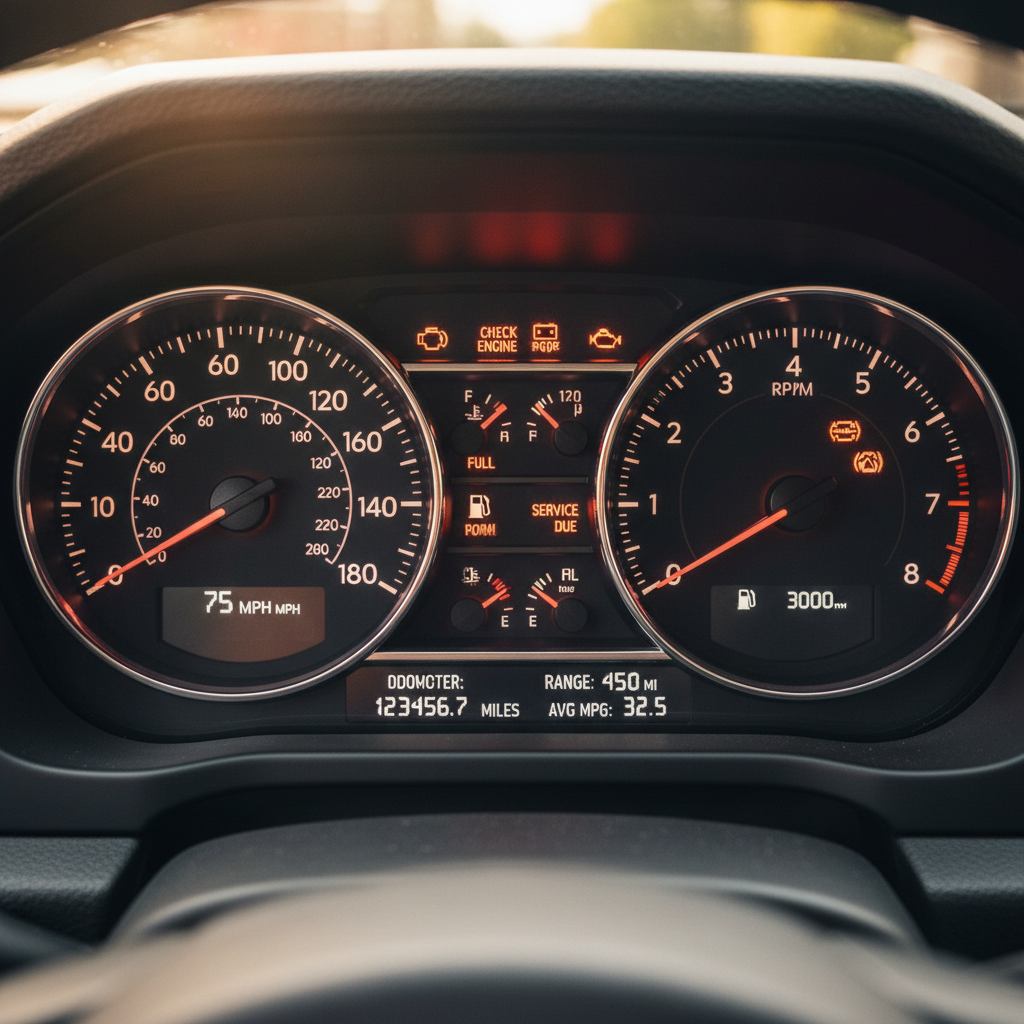
Beyond power gains, Stage 3 remapping can also lead to improved fuel efficiency. By optimizing the engine's performance, the vehicle can achieve better fuel consumption rates under certain driving conditions. This combination of power and efficiency is particularly appealing to performance enthusiasts.
Real-World Results
In this case study, a mid-sized sports car underwent Stage 3 remapping, resulting in a remarkable transformation. The car's horsepower increased by 25%, and its torque saw a 30% boost. These enhancements translated into a 0 to 60 mph acceleration time that was one second faster than before.

Drivers reported a more thrilling driving experience, with smoother gear transitions and improved handling. The remapping also contributed to a more refined exhaust note, adding to the vehicle's overall appeal.
Considerations and Conclusion
While Stage 3 remapping offers numerous benefits, it is essential to consider the potential impact on the vehicle's warranty and insurance. It's advisable to consult with professionals and ensure that the modifications comply with local regulations.
In conclusion, Stage 3 remapping is a powerful way to unlock a vehicle's full performance potential. By carefully considering the process and working with experienced technicians, drivers can enjoy a transformed driving experience that combines power, efficiency, and excitement.