Common Misconceptions About Stage 3 Remapping Debunked
JG
Understanding Stage 3 Remapping
Stage 3 remapping is a popular topic among car enthusiasts looking to enhance their vehicle's performance. However, many misconceptions surround this advanced tuning process. It's essential to separate fact from fiction to make informed decisions about remapping your vehicle.
At its core, stage 3 remapping involves significant modifications to a car's engine and supporting systems. This process aims to maximize performance, but it requires a comprehensive understanding of the vehicle's capabilities and limitations.

Misconception 1: It's Just About Increasing Horsepower
A common misconception is that stage 3 remapping is solely focused on increasing horsepower. While power gains are a significant benefit, the process also enhances other aspects such as torque, throttle response, and fuel efficiency. It's about creating a balanced and optimized driving experience.
Remapping should be viewed as a holistic upgrade. By improving various components, drivers can enjoy enhanced performance without compromising the vehicle's reliability.
Misconception 2: Any Car Can Handle Stage 3 Remapping
Not all vehicles are suitable candidates for stage 3 remapping. This process is typically reserved for performance-oriented cars that have the necessary hardware to support the increased demands. Ignoring this can lead to mechanical failures and costly repairs.
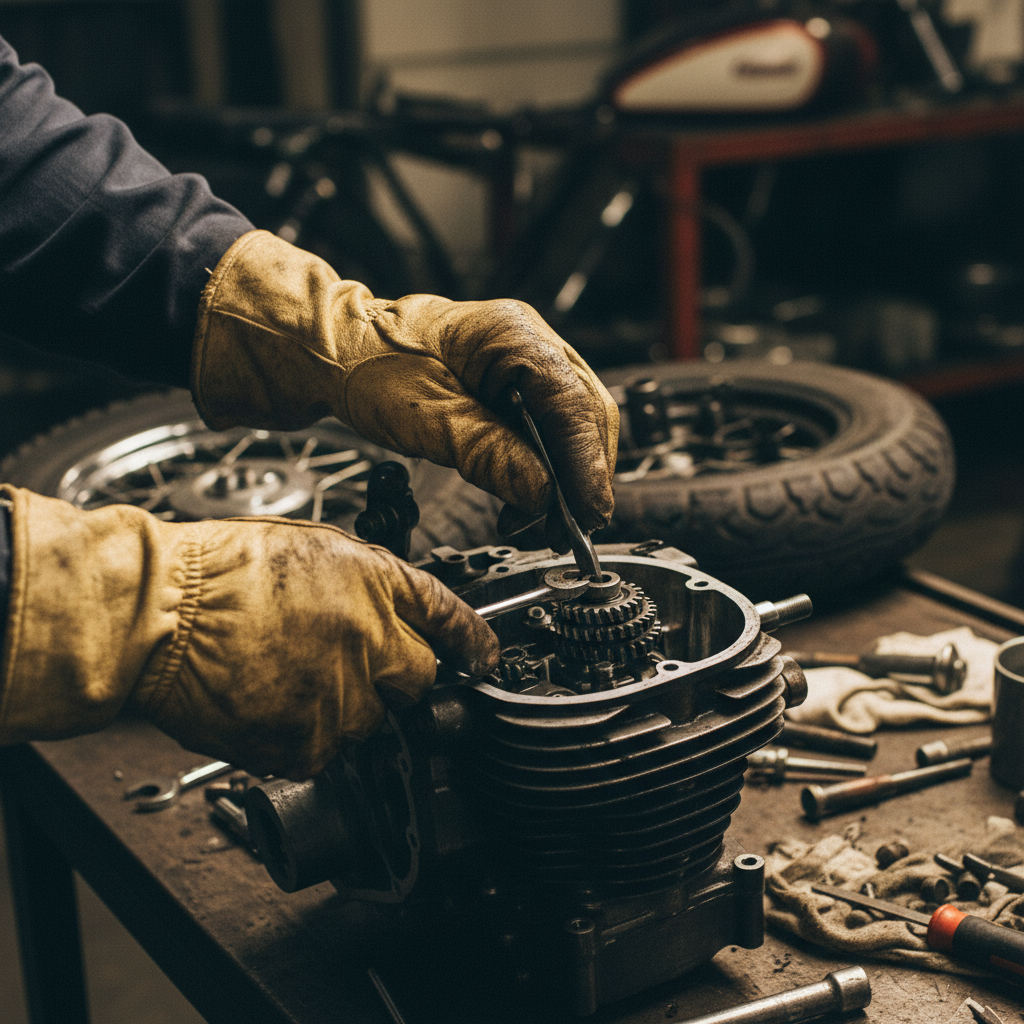
Before considering stage 3 remapping, ensure your car is equipped with the right modifications, such as upgraded turbos, intercoolers, and exhaust systems. Consulting with a professional tuner can help determine if your vehicle is a good fit.
Misconception 3: It's a One-Size-Fits-All Solution
Another myth is that stage 3 remapping is a universal solution that works the same for every vehicle. In reality, each car requires a tailored approach based on its specific make, model, and modifications. A customized map ensures optimal performance and reliability.
Professional tuners will consider various factors, including the engine's current state and the owner's driving habits, to create a bespoke remapping plan.

Misconception 4: It Doesn't Require Maintenance
Stage 3 remapping often leads to increased wear and tear on a vehicle. As such, regular maintenance becomes even more critical. Failing to keep up with maintenance schedules can negate the benefits of remapping and lead to severe issues.
Owners should adopt a proactive approach, ensuring that all components are in top condition and any potential issues are addressed promptly.
Conclusion
Stage 3 remapping offers significant performance benefits, but it's crucial to approach it with the right knowledge and expectations. By debunking these common misconceptions, car enthusiasts can make informed decisions and enjoy the full potential of their vehicles.