Success Stories: Transforming Vehicles with Mobile Mapping Technology
JG
Revolutionizing the Automotive Industry
In recent years, the automotive industry has witnessed a remarkable transformation, thanks to the advent of mobile mapping technology. This cutting-edge innovation is redefining the way vehicles are designed, manufactured, and utilized. By utilizing advanced sensors and data analytics, mobile mapping technology is paving the way for smarter, safer, and more efficient vehicles.
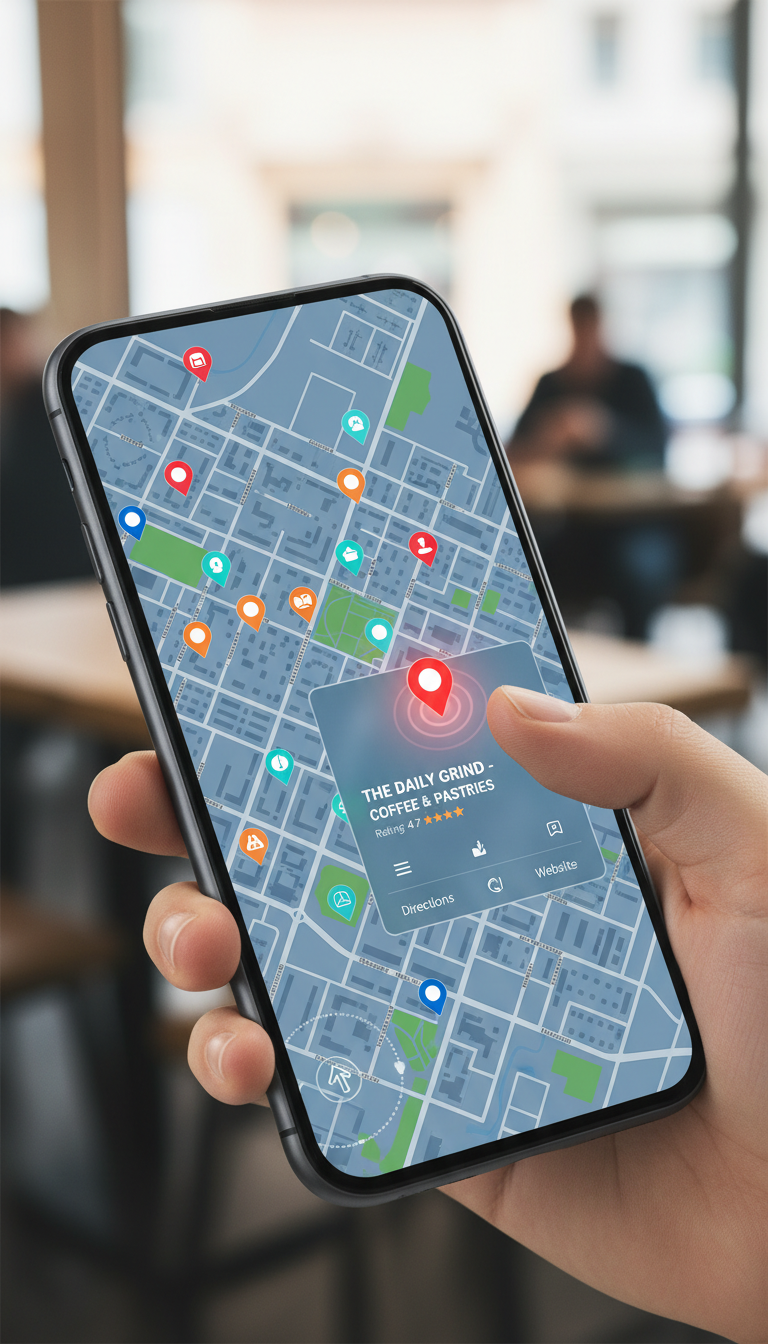
Mobile mapping technology enables real-time data collection through GPS, cameras, and LiDAR systems. This data is then processed to create accurate digital maps and models of the surrounding environment. These maps are invaluable for various applications, including autonomous driving, infrastructure management, and fleet optimization.
Enhancing Autonomous Driving
One of the most significant impacts of mobile mapping technology is on autonomous vehicles. By providing precise and up-to-date maps, this technology allows self-driving cars to navigate complex environments with ease. The detailed maps enable vehicles to identify road conditions, traffic signals, and potential obstacles, ensuring a safe and smooth driving experience.
Companies at the forefront of autonomous vehicle development are leveraging mobile mapping to enhance their systems' accuracy and reliability. This technology is crucial in training artificial intelligence algorithms to recognize and respond to real-world scenarios, thereby accelerating the adoption of autonomous vehicles.

Improving Infrastructure Management
Beyond the realm of autonomous driving, mobile mapping technology plays a vital role in infrastructure management. Governments and municipalities use this technology to monitor and maintain roads, bridges, and other critical infrastructure. By capturing detailed data, they can identify areas that require maintenance and prioritize repairs, ultimately improving public safety and reducing costs.
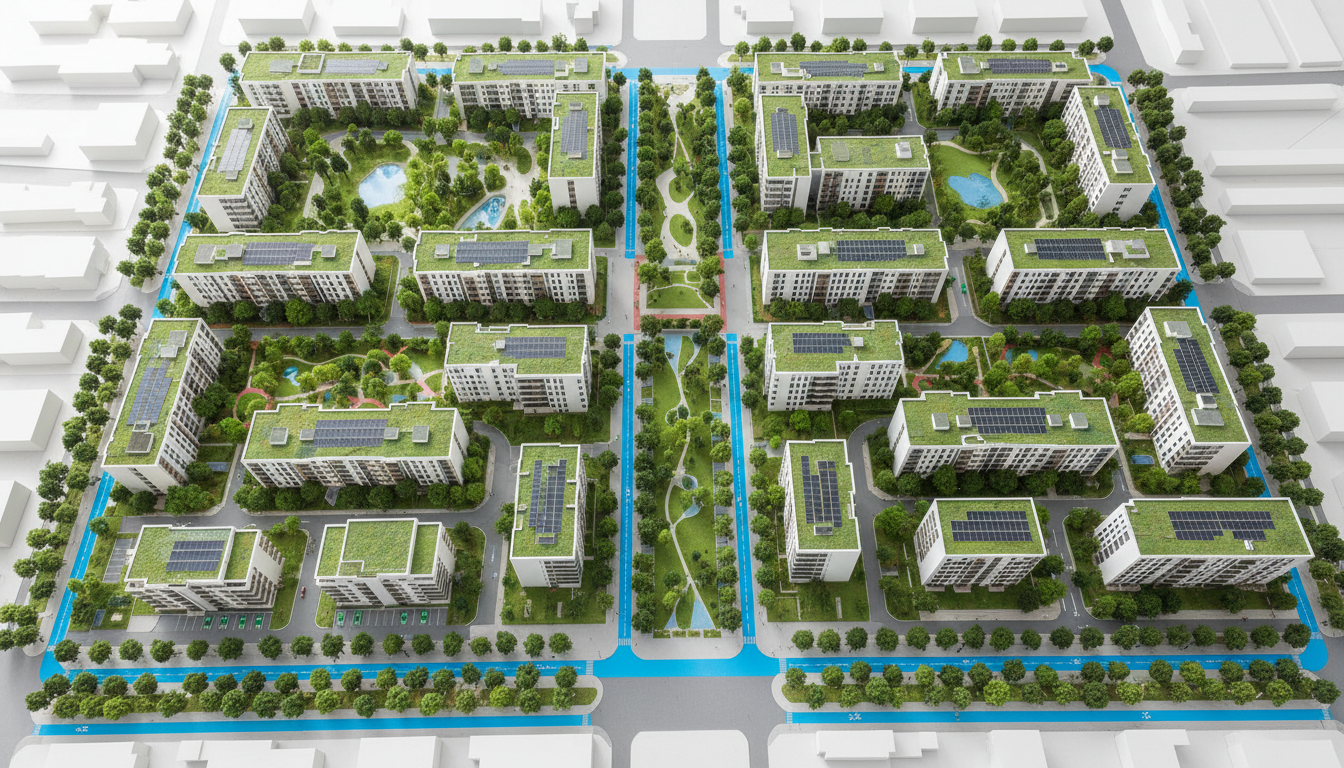
Additionally, mobile mapping assists in urban planning by providing comprehensive insights into traffic patterns and land usage. This information supports informed decision-making, leading to more efficient road networks and better urban development.
Optimizing Fleet Operations
Fleet operators are also reaping the benefits of mobile mapping technology. By integrating real-time mapping data into their operations, companies can optimize routes, reduce fuel consumption, and enhance overall efficiency. This not only lowers operational costs but also minimizes the environmental impact of transportation activities.
Furthermore, mobile mapping aids in monitoring vehicle conditions, enabling proactive maintenance and reducing downtime. Such capabilities are essential for businesses relying on large fleets to maintain competitiveness in today's fast-paced market.

A Glimpse into the Future
The future of mobile mapping technology holds immense potential for further innovation in the automotive sector. As technology continues to advance, we can expect even more precise mapping solutions and enhanced data analytics capabilities. These developments will drive the evolution of vehicles, making them smarter, safer, and more integrated into our daily lives.
In conclusion, mobile mapping technology is a powerful tool that is transforming the automotive industry. From autonomous driving to infrastructure management and fleet optimization, its applications are vast and varied. As we look to the future, the continued integration of this technology promises to revolutionize the way we interact with our vehicles and the world around us.