Winter Car Maintenance Tips for UK Drivers: Prepare Your Vehicle for the Cold
JG
Checking Your Tyres
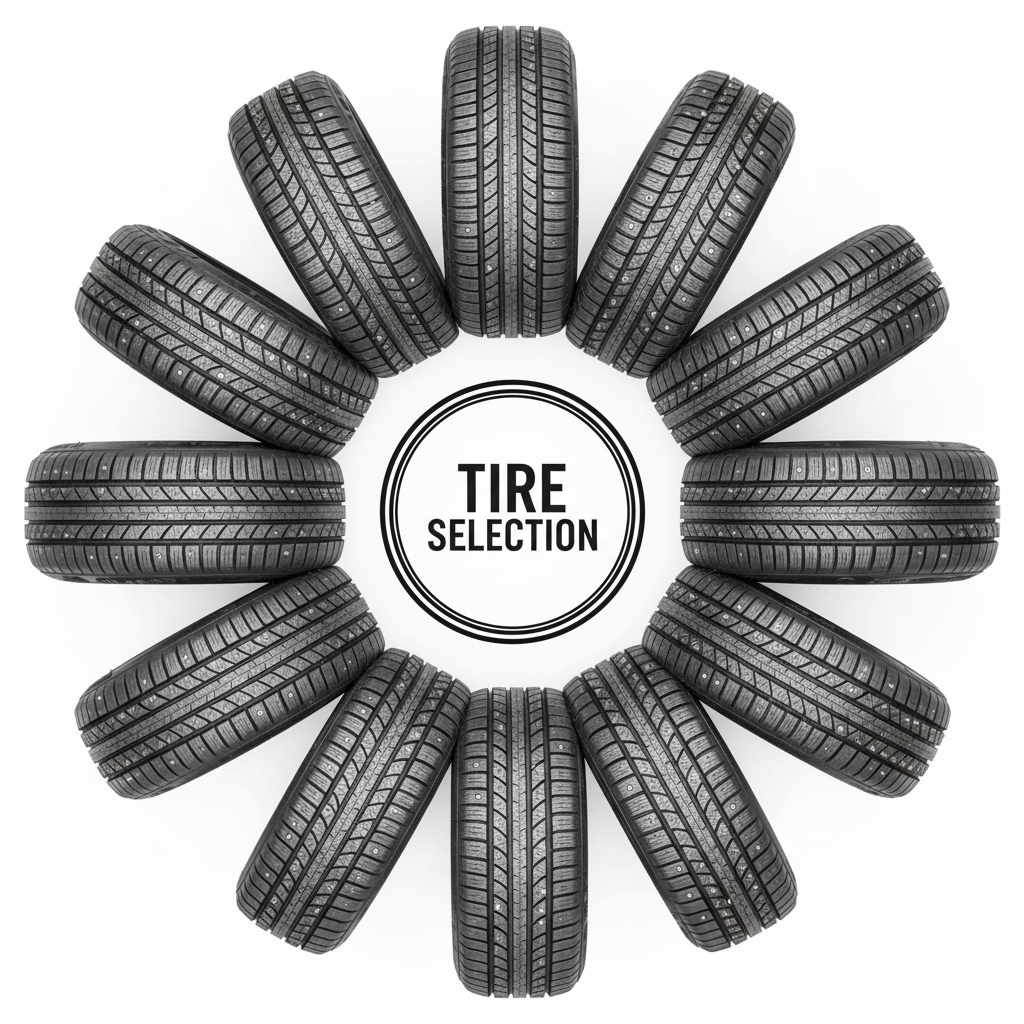
As winter approaches, ensuring your tyres are in top condition is crucial. The UK's wet and icy roads demand optimal tyre performance. Start by checking the tread depth. UK law requires a minimum tread depth of 1.6mm, but for winter, it's advisable to have at least 3mm for better grip. Also, inspect for any signs of damage or uneven wear.
Tyre Pressure
Cold weather can cause tyre pressure to drop, affecting both safety and fuel efficiency. Regularly check and maintain the recommended tyre pressure, which can be found in your vehicle's manual or on the driver's door frame. Properly inflated tyres ensure better control and reduced risk of skidding.
Battery Health
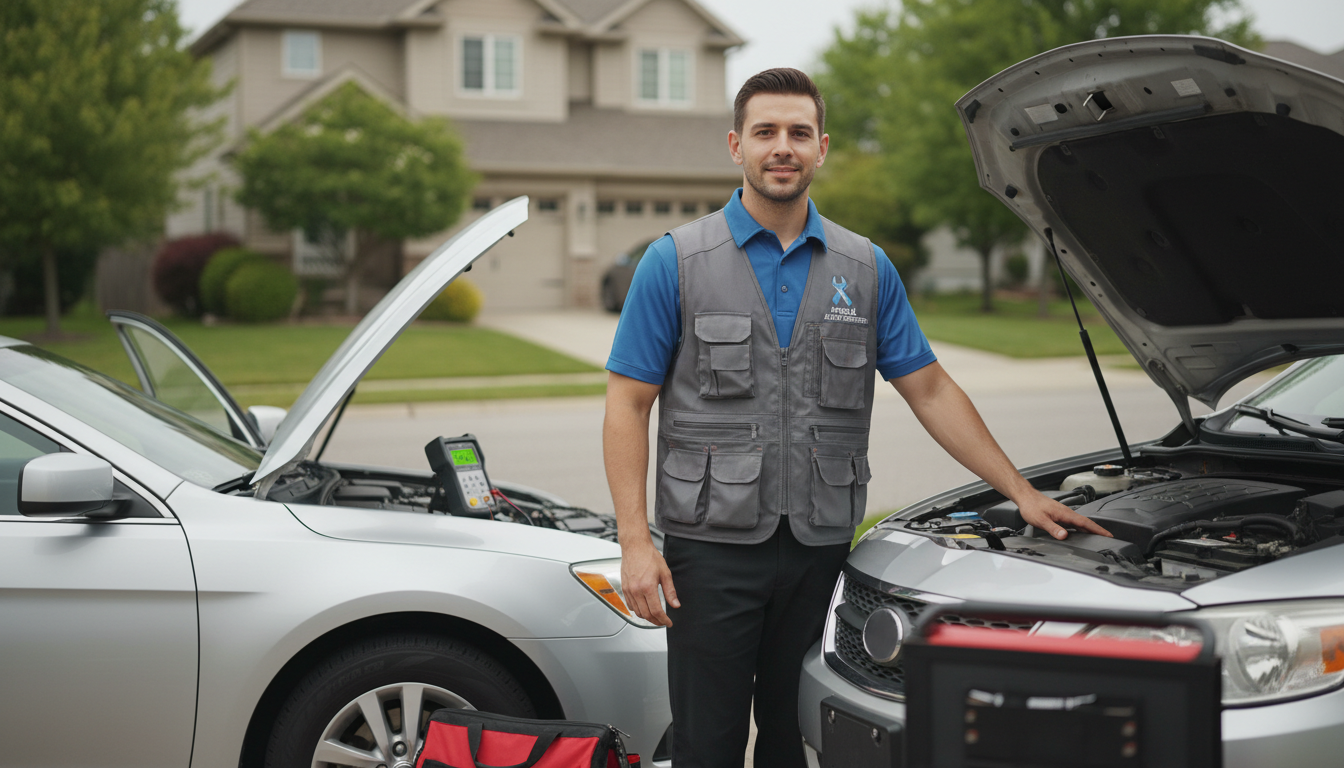
Winter is notorious for causing battery failures. Cold temperatures can reduce a battery's capacity, so testing its health before the cold sets in is wise. If your battery is more than three years old, consider having it checked by a professional. Ensure that the terminals are clean and free from corrosion to maintain optimal performance.
Emergency Kit
It's always prudent to carry an emergency kit in your car during winter. Essential items include:
- Jump leads
- Ice scraper and de-icer
- First-aid kit
- Blanket and warm clothes
- Non-perishable snacks and water
Lighting and Visibility
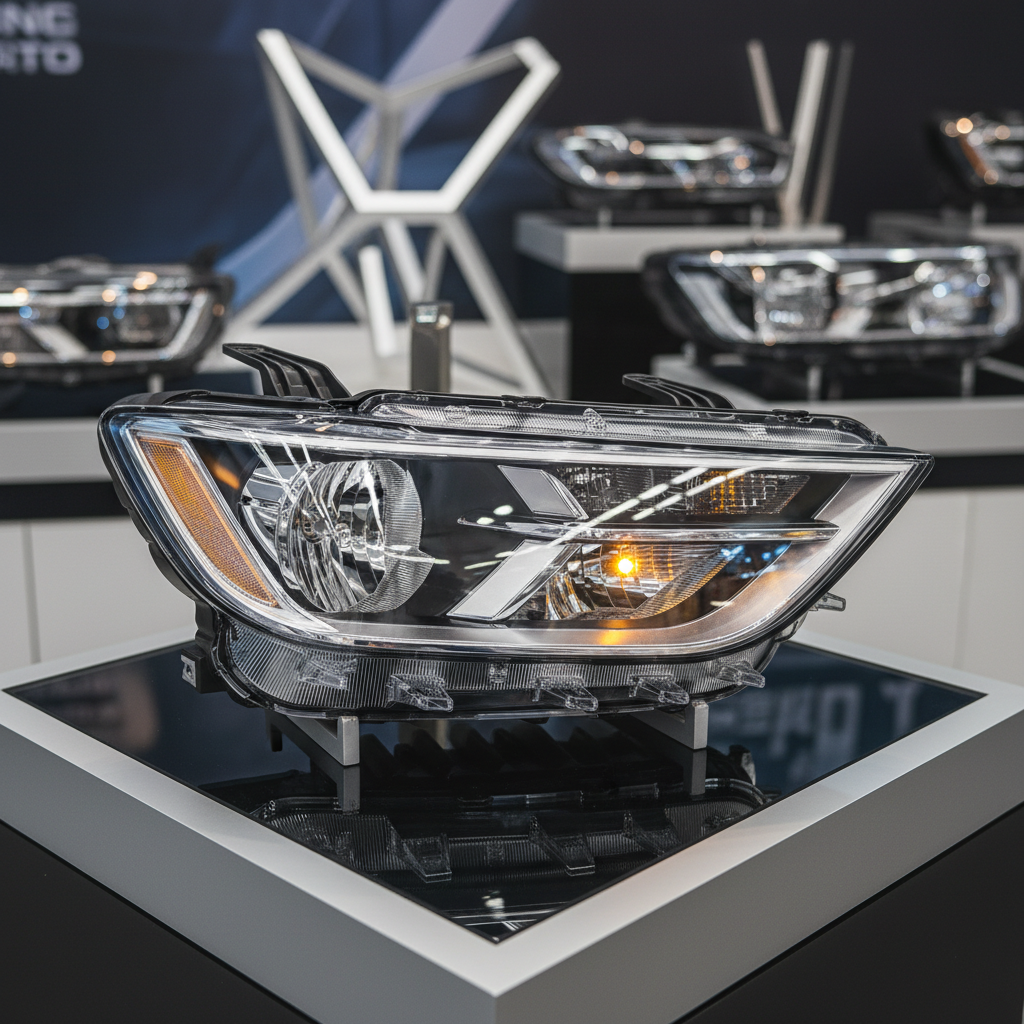
Shorter days and longer nights mean you'll be using your car's lights more frequently. Check all lights, including headlights, taillights, and indicators, to ensure they are functioning correctly. Replace any burnt-out bulbs and clean the lenses for maximum visibility.
Windscreen and Wipers
Visibility is vital, especially during rain or snow. Inspect your windscreen for any chips or cracks and have them repaired promptly to prevent further damage. Additionally, replace worn wiper blades to ensure they clear rain and snow effectively. Use a quality screen wash that can handle low temperatures.
Fluids and Antifreeze
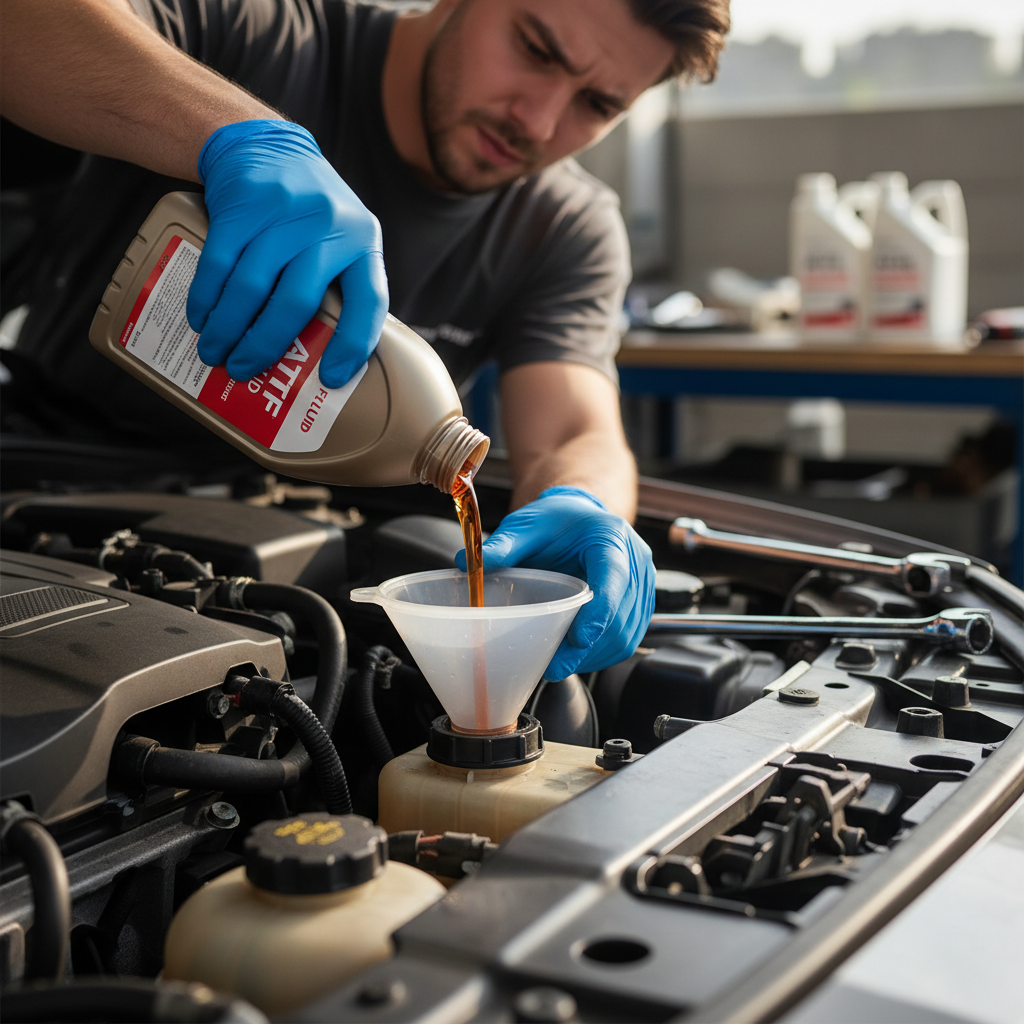
Maintaining the right levels of fluids in your car is essential during winter. Check the levels of engine oil, brake fluid, and especially antifreeze. Antifreeze prevents the engine coolant from freezing, so ensure it's topped up and mixed correctly for the coldest temperatures.
Heating and Defrosting Systems
A comfortable cabin and clear windows are critical for safe winter driving. Test your car's heating and defrosting systems to ensure they are working effectively. Faulty systems can lead to fogged-up windows and an uncomfortable driving experience.
Regular Servicing
Finally, consider having your car serviced before winter fully sets in. A professional check can identify potential issues that might worsen in cold weather. Regular maintenance not only enhances safety but can also prevent costly repairs down the line.